

Helping Seniors Improve Circulation and Blood Flow
May 21, 2026
Poor circulation is one of the most common health problems among seniors. The condition can not only cause the legs to become swollen, but if blood flow is restricted, the arms and legs could become cold, seniors might feel more fatigued, and they could even develop blood clots or cardiovascular disease. Fortunately, seniors receiving home care assistance gain consistent, personalized support that helps them manage circulation issues and improve blood flow.
Understanding Why Circulation Becomes a Challenge with Age
The cardiovascular system naturally slows down with age. Blood vessels become less elastic, the heart may not pump as well, and with reduced mobility, the body has less opportunity to promote natural blood flow. This change can be an even bigger issue for seniors with diabetes, heart disease, or peripheral artery disease.
Even worse, without proper support, these issues can worsen over time. That’s where professional home care assistance comes in—hands-on help that keeps seniors active, comfortable, and better protected from complications.
Movement and Exercise Support
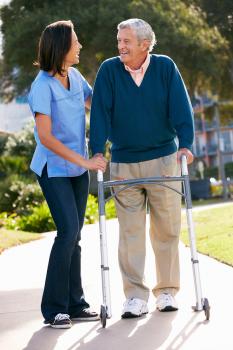
One of the best ways to boost circulation is to get the body moving again. Home care assistance providers help seniors incorporate gentle, safe activities into their daily lives. This may include assisted walking around the home or yard, a stretching routine, or gentle range-of-motion activities in a chair or bed for those with limited mobility.
Even small doses of regular movement can get the cardiovascular system going and help encourage blood to flow more freely through the legs and extremities. Ultimately, the goal is to make sure that seniors are not sitting or lying down in one position for too many hours, which is a key risk factor for poor circulation.
Proper Nutrition and Fluids
What seniors eat and drink directly affects the way blood flows through their bodies. Home care assistance providers work with seniors to create meals that are rich in foods known to support vascular health, such as leafy greens, berries, fish, and whole grains. They also recommend drinking fluids regularly during the day because dehydration can cause blood to thicken, which leads to decreased circulation.
Caregivers also monitor eating habits and make sure meals meet doctor recommendations, which can take some of the pressure off the heart for seniors dealing with diabetes or high blood pressure.
Compression and Elevation Assistance
Many doctors recommend that seniors with circulation problems wear compression stockings or elevate their feet when resting. This sounds easy, but putting on compression garments can be physically challenging for older adults with limited flexibility or arthritis. At the same time, they might have difficulty finding a position that allows them to elevate their legs properly. Those with home care assistance, however, get the support they need, as well as other tips to help them follow the doctor’s orders.
Communication and Monitoring with Health Care Providers
Home care assistance providers also look for early warning signs, such as unusual swelling, skin discoloration, and complaints of numbness, and promptly report these changes to family members and medical professionals. This careful, consistent tracking helps to ensure that circulatory issues are found before they develop into more serious problems.
Having home care assistance as part of the support team for seniors aging in place is helpful with much more than completing daily tasks. These professional caregivers can also assist seniors struggling with circulation issues, which is key to improved health and well-being.
If you or your loved one is looking for Home Care Assistance in Sunnyvale, CA, please call Familiar Surroundings Home Care.
Santa Clara County: (408) 979-9990
San Mateo County: (650) 353-9777
Santa Cruz County: (831) 480-3990
Sources:
- https://www.ohmyachingfeet.com/featured-articles/item/334-elderly-people-and-poor-circulation.html
- https://medlineplus.gov/ency/article/004006.htm
- https://www.silversneakers.com/blog/6-signs-poor-circulation-atherosclerosis-2/