

Gum Disease in Seniors: Signs and Tips for Coping
December 9, 2025
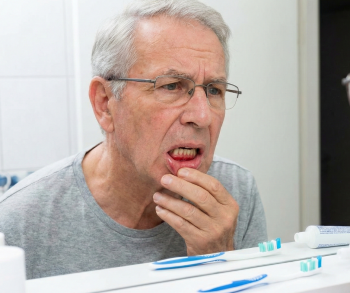
Gum health matters more for overall wellness than many seniors realize, which means they overlook signs that signal gum disease. Changes in oral health, medication side effects, and physical limitations can all make gum illnesses more likely. Problems with gum disease can be managed, however, especially with support from personal care at home. Professional caregivers can help aging adults stay on track with daily care and even get to dentist appointments.
How Does Gum Disease Form?
Gum disease usually starts with bacteria that build up on the teeth and become plaque. The longer plaque sticks around, the easier it becomes to harden and turn into tartar. Tartar irritates the gums and leads to inflammation called gingivitis. Because some seniors take medications that cause dry mouth, the bacteria may stick around longer because there isn’t enough saliva to rinse them away. Conditions like diabetes can also contribute to inflammation in the gums, making gum disease more likely. Mobility issues, cognitive changes, and even depression can affect how well seniors brush their teeth.
Signs Seniors Are Battling Gum Disease
The earlier signs of gum disease are subtle. Some of the symptoms seniors might mention could include swollen or bleeding gums, receding gums, or pain when chewing. They might also experience bad breath that they can’t get rid of or pain while they’re eating food. Loose or shifting teeth can also indicate that seniors are battling gum disease. Home care providers can watch for some of these subtle signs, helping family caregivers stay aware of what is happening.
Start with a Dentist Appointment
If it’s been a while since seniors visited the dentist, the first step in protecting their gums is to schedule a dentist appointment. Professional cleaning helps to remove tartar buildup, helping to reduce irritation and inflammation in the gums. Dentists can then evaluate whether seniors have gum disease and then recommend treatment methods. Personal care at home can help with follow-up care and treatments, making this easier for seniors to stick with once they’re back at home.
Establish Good Oral Hygiene Routines
Daily habits with brushing and flossing are the key to a successful plan for preventing and managing gum disease. Ideally, seniors need to brush twice a day with a toothbrush that has soft bristles. There are lots of tools available for seniors to use that can help them to brush every day, whether those are electric toothbrushes or brushes with larger handles that are easier to grasp. Personal caregivers can also help with brushing.
Consider Dietary Changes
It might be surprising for seniors to realize that what they eat can help them keep their gums healthier. Sugary snacks and beverages are more likely to contribute to plaque buildup. A balanced diet full of vegetables, fruits, lean proteins, and whole grains supports overall health as well as gum health. Personal care at home can help seniors plan and prepare meals that are nourishing for all of their needs.
Gum health doesn’t have to be a hassle for aging adults. Personal care at home can help with the hands-on tasks like brushing and flossing, but it can also help with the planning process for better oral health.
If you or your loved one is looking for Personal Care at Home in Campbell, CA, please call Familiar Surroundings Home Care.
Santa Clara County: (408) 979-9990
San Mateo County: (650) 353-9777
Santa Cruz County: (831) 480-3990