Safe Exercise at Home: A Guide for Seniors
January 2, 2026
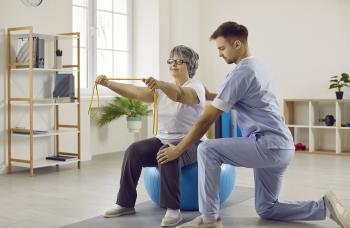
For seniors, staying active is a basis of good health and maintaining independence. Consistent exercise helps older adults preserve strength, balance, and mobility while also lowering their chances of falling and developing chronic illnesses. The best thing is, seniors don't need a gym or expensive gear to stay in shape. With the right mindset and some guidance from in-home care, exercising safely at home can be both effective and enjoyable.
Why Exercise Matters for Seniors
As we age, our bodies naturally experience a decline in muscle mass and bone density. Without regular physical activity, seniors might find simple tasks like climbing stairs, carrying groceries, or even getting up from a chair more challenging. Exercising regularly helps avoid these issues by helping seniors preserve their physical strength.
But the advantages of exercise extend far beyond the physical; consistent movement improves mental well-being and cognitive abilities. Research shows that seniors who stay active tend to enjoy a more positive mood, experience less anxiety, and have sharper memories. Exercise also helps them get a better night’s sleep, a common struggle for many older adults.
For those dealing with chronic issues like arthritis, diabetes, or heart disease, tailored exercise can help alleviate symptoms and enhance overall quality of life. Even gentle activities, like stretching or brief walks around the property, can significantly impact overall health.
Creating a Safe Exercise Environment at Home
Safety is paramount when seniors exercise at home. The area in which they exercise should be free of anything that could cause a fall, such as loose rugs, electrical cords, or general clutter. Proper lighting is also essential, particularly if they are working out in the morning or evening. Seniors should also be mindful of the shoes they wear when exercising, choosing non-slip soles. Additionally, having something sturdy to hold onto nearby, depending on the exercise, is also a smart choice.
It is also important that seniors start slowly, especially if they have been sedentary for a while. For instance, they might start out with five- or ten-minute sessions of light movement and slowly build up their time and effort. In-home care providers can also encourage them to pay attention to how their body feels so they don’t push too far, too fast.
Low-impact exercises are usually best for most seniors. Chair exercises, gentle yoga, tai chi, and walking are all great choices that help build strength and flexibility without putting too much strain on the joints. Additionally, resistance bands are a great way to build muscle without the need for heavy weights, and they're safe to use.
How In-Home Care Helps
Beyond reminding seniors to take things slow, in-home care providers can make sure the exercise space is safe using the tips above and even suggest routines that match the senior’s ability level if they’re not sure where to start. They can also recommend alternatives to equipment, such as water bottles for weights.
Additionally, in-home care professionals help make sure the exercises are done correctly to avoid injury and provide motivation to keep seniors accountable. Even better, they can complete the exercises with the senior, so the workout has a social component to it rather than simply feeling like a chore.
With the right setting, suitable activities, and the backing of in-home care providers, seniors can safely reap the rewards of staying active, all within the familiar surroundings of their own homes.
If you or your loved one is looking for In-Home Care in Cupertino, CA, please call Familiar Surroundings Home Care.
Santa Clara County: (408) 979-9990
San Mateo County: (650) 353-9777
Santa Cruz County: (831) 480-3990
Sources:
- https://www.ncoa.org/article/the-life-changing-benefits-of-exercise-after-60/
- https://www.bcm.edu/news/keep-it-moving-the-importance-of-exercise-for-older-adults
- https://www.hopkinsmedicine.org/health/wellness-and-prevention/exercise-and-the-aging-person
- https://mcoaonline.org/the-benefits-of-physical-activity-for-older-adults/