

Circadian Rhythm: Why Balance Matters
January 21, 2026
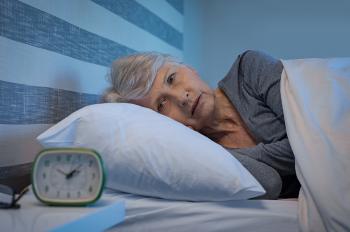
With age, keeping the internal clock in sync becomes a tougher task, but it's also more essential. Natural light is a key player in this, influencing everything from how well seniors sleep to their mood and how well they think. Companion care at home providers understand this and work collaboratively with seniors to find inventive ways to make sure they get the sunlight they need to feel their best.
Understanding the Importance of Circadian Rhythm
The circadian rhythm, often called the body's internal clock, relies heavily on light cues to regulate sleep-wake cycles, hormone production, and other vital functions. When this rhythm gets out of whack, seniors can face problems like disrupted sleep, feeling drained during the day, depression, and even a greater chance of cognitive decline. Studies have shown that a lack of natural light can worsen these problems, so it's important for older adults to get plenty of time in the sun.
However, mobility issues, health problems, and safety concerns can all work together to stop older adults from getting the natural light they need and often want. This is where the value of companion care at home services comes into play. Professional caregivers understand that getting enough sunlight isn't just about pulling back the curtains—it requires creativity, planning, and a personalized touch.
Creative Solutions for Daily Light Exposure
One strategy that companion care at home providers may use is setting up morning sunlight routines. They might suggest having breakfast near a window that gets the morning sun or going for a short walk when the sun is at its peak. What is important to understand is that it only takes a short time to keep things in check, just 15 to 30 minutes each day. Getting this necessary exposure can significantly improve seniors' alertness during the day and prepare them for sleep at night.
For seniors with mobility issues, companion care at home caregivers may need to be a bit more creative. They might shift furniture around to put a favorite chair by a window, set up a snug reading nook in a sunbeam, or even create welcoming outdoor areas on porches or patios where seniors can safely soak up some sun and breathe in fresh air. Additionally, they might schedule activities to match the sun's rhythm, planning crafts, puzzles, or friendly conversations when the light is just right.
Adapting to Weather and Seasons
Professional caregivers are well aware that weather and seasons themselves play a role in how much light seniors receive. During darker winter months or rainy periods, they might extend outdoor time when the sun does appear or suggest light therapy lamps as supplements. They also help seniors dress appropriately for outdoor excursions, always putting comfort and safety first, regardless of the weather.
These light-centered activities provide benefits that go beyond the physical. They also encourage meaningful social engagement. When companion care at home providers join seniors on sunny walks or during outdoor sitting sessions, they're doing more than just ensuring light exposure—they're creating moments for conversation, connection, and mental engagement. The combination of natural light and social interaction can significantly boost both mood and overall well-being.
By helping seniors maintain healthy circadian rhythms through adequate exposure to natural light, companion care at home providers support better sleep, improved mood, enhanced cognitive function, and overall quality of life. It's a simple yet powerful aspect of home care that demonstrates how thoughtful, creative caregiving can make a profound difference in the daily lives of older adults aging at home.
If you or your loved one is looking for Companion Care at Home in Sunnyvale, CA, please call Familiar Surroundings Home Care.
Santa Clara County: (408) 979-9990
San Mateo County: (650) 353-9777
Santa Cruz County: (831) 480-3990
Sources:
- https://my.clevelandclinic.org/health/articles/circadian-rhythm
- https://hms.harvard.edu/news-events/publications-archive/brain/circadian-rhythms-brain
- https://www.sleepfoundation.org/circadian-rhythm